05 / 20 · INTROITUS · LUX
AKT I — AUREA
GRATIA
Greece · Lydian · 3:14
Epictetus gave the simplest instruction: nothing is yours, only on loan. Once you understand this, gratitude is the only honest response.
“Nullum officium referenda gratia magis necessarium est.”
“Μηδέποτε ἐπὶ μηδενὸς εἴπῃς ὅτι "ἀπώλεσα αὐτό," ἀλλ' ὅτι "ἀπέδωκα." Never say of anything "I have lost it," but "I have returned it." — Enchiridion 11”
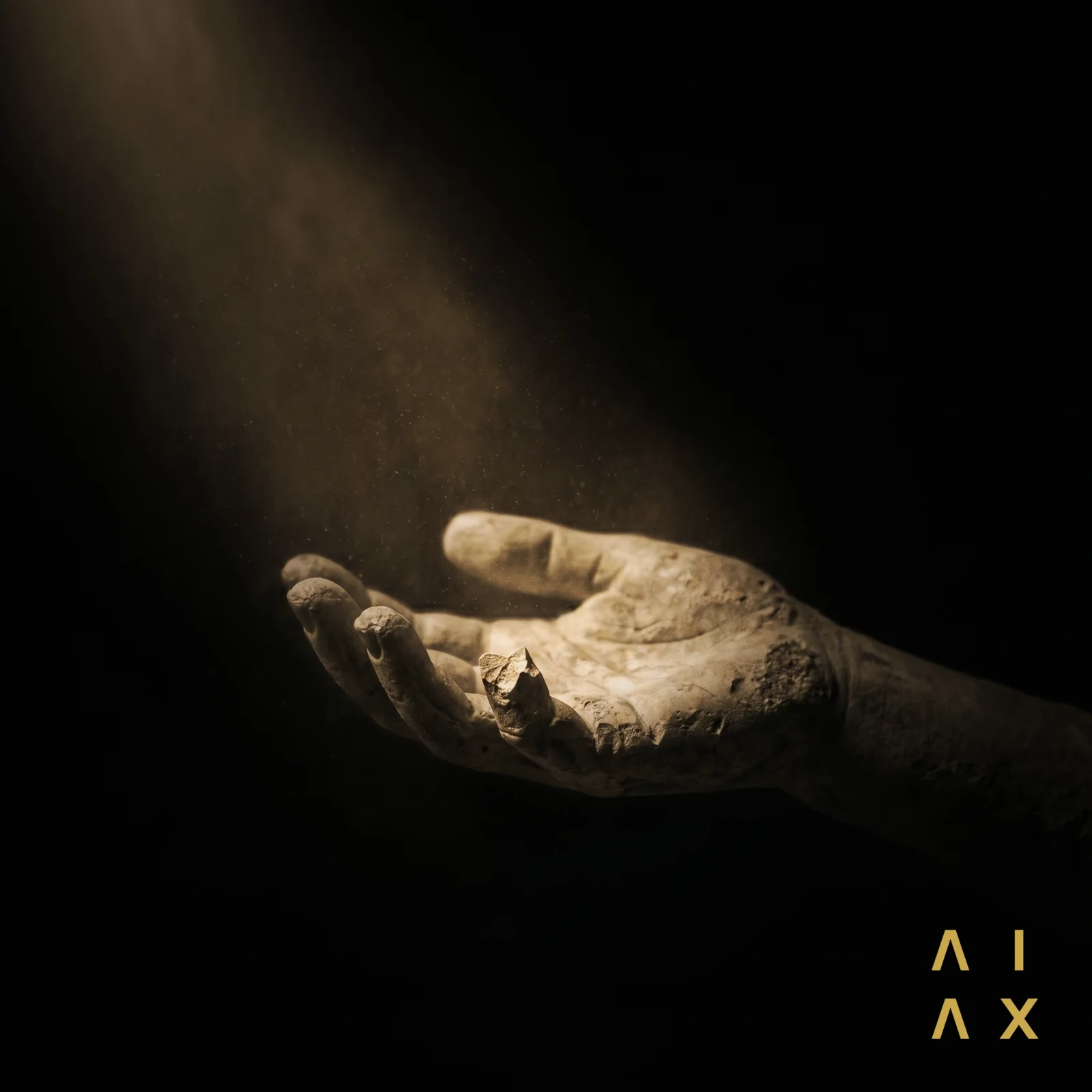
The slow accumulation of light.
Listen on Spotify ↗The hardest thing about being alive is that everything you love is borrowed.
Epictetus said this in the simplest words anyone has used. Never say of anything, "I have lost it," but "I have returned it." The book you lent to a friend, returned. The summer that ended, returned. The person who walked out of your life, returned. The land you walk on, the body you wear, the morning light that finds you reading — all of it on loan, none of it yours, and the lender will eventually call it back.
This sounds cold. It is the warmest thing anyone has ever written.
The moment you accept that nothing is yours, the present stops being a transaction. You stop holding things in clenched hands, defending them against future loss. You stop calculating what you deserve. You start, instead, noticing — that the coffee is hot, that the person across from you laughed at something stupid you said, that the rain on the window is the same rain Heraclitus heard. None of it permanent. All of it given.
The opposite of gratitude is not ingratitude. It is the assumption that things will stay.
Modern life makes this hard. Apps tell you to be grateful, but the cultural metabolism is built on accumulation, ownership, securing the future, locking things in. The moment you start holding the present loosely, the algorithm panics — there is nothing to sell to someone who already has enough.
But the Stoics knew, and Buddhism knew, and grandmothers in every culture have always known: the things you love are temporary. The cup will break. The morning will pass. The person you cannot imagine living without will, one day, no longer be there. None of this is tragedy. It is the structure of being alive.
Gratitude is what happens when you stop pretending otherwise.
Try this, once. Look at something you have — small, ordinary, easy to miss. The cup of tea. The chair you sit in. The voice of someone in the next room. Hold it in attention for a moment. Notice that it will not always be there.
Then notice that it is here now.
That is the whole practice.
GRATIA climbs the way light climbs in a room — slowly, completely, with nothing held back.
— Epictetus, c. 50–135 AD
LYRICS
Instrumental — no lyrics.